
- Computer
- DAW
- Audio Interface
- Microphones
- Headphones
- Studio Monitors
- Cables
- Microphone Stands
- Pop Filter
1. Computer
2. Digital Audio Workstation (DAW)
Originally designed to mimic look-and-feel of analog mixing boards from the pre-digital era…
Their visual design has remained basically the same ever since.
Pro Tools, which has long-been the most famous DAW, great for studios of all levels…but it is by no means the only option.
3.
3. Audio Interface
 Once you’ve got the software, the next thing you’ll need is an audio interface…
Which has the primary purpose of providing all the necessary connections to send your music:
- INTO the computer when recording, and…
- OUT the computer during playback.
Originally, this was pretty much all they did…
But today’s modern interfaces have evolved into incorporate many other features as well. Those include:
- digital conversion
- mic preamps
- DI boxes
- headphone amps
- monitor management
In pro studios, each of these items normally exist as high-end stand-alone units, organized within a rack.
In home studios though, these “all-in-one” budget interfaces can be a great way to save money, and still get exactly what you need.
4. Microphones
 The oldest item on this list by far…
Microphones have been around since long before recording studios ever existed.
Yet ironically, in all those years, very little about them has changed.
And many of the top models from a half-century ago are still among the industry standards of today.
That’s not to say that microphones are a simple topic, because it’s actually quite the opposite.
Recording studios typically carry several-dozen mics or more…each one used to achieve:
- a different sound
- from different instruments
- in different situations
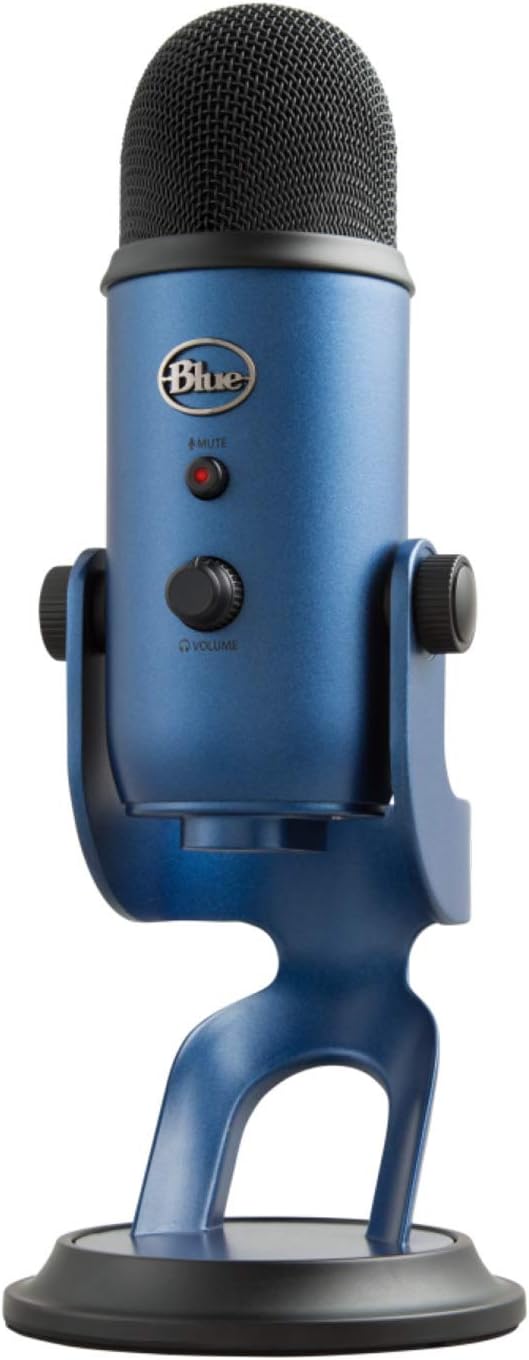
Blue Yeti USB Mic for Recording and Streaming on PC and Mac,3 Condenser Capsules,4 Pickup Patterns,Headphone Output & Volume Control,Mic Gain Control, Plug & Play (Midnight Blue)
5. Headphones
 Unlike most studio gear, headphones are one item that we’re all thoroughly familiar with.
At least…that’s what most people assume.
But truth is, while you may own a great pair of “consumer” headphones…
For pro audio, there are 2 special types of studio headphones intended for 2 very specific tasks:
- closed back headphones
- open back headphones
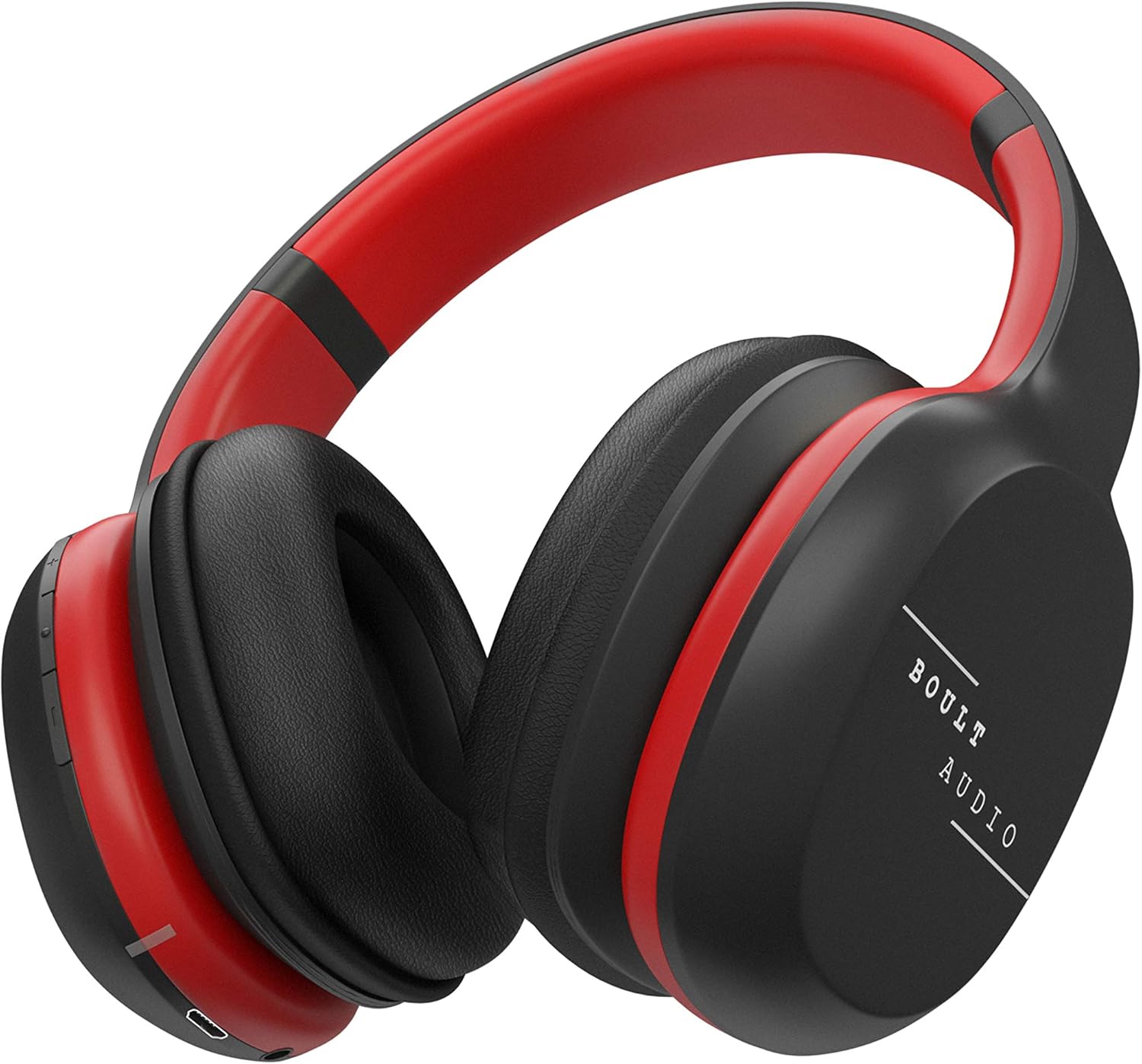
Boult Audio ProBass Thunder Over-Ear Wireless Bluetooth Headphones with Mic, Headset with Passive Noise Cancellation & Long Battery Life
6. Studio Monitors

In the pro audio world, we call them either studio monitors, or nearfield monitors.
And while they might look similar to plain old speakers…THEY’RE NOT.
Compared to consumer speakers, which typically accentuate certain frequency bands in order to improve the listening experience for certain audiences…
Studio monitors are designed with the opposite goal of providing a perfectly FLAT frequency response, so engineers can hear a mix as it truly is, flaws and all…so they can adjust accordingly.
In pro studios, these monitors can often cost 10 grand or more.
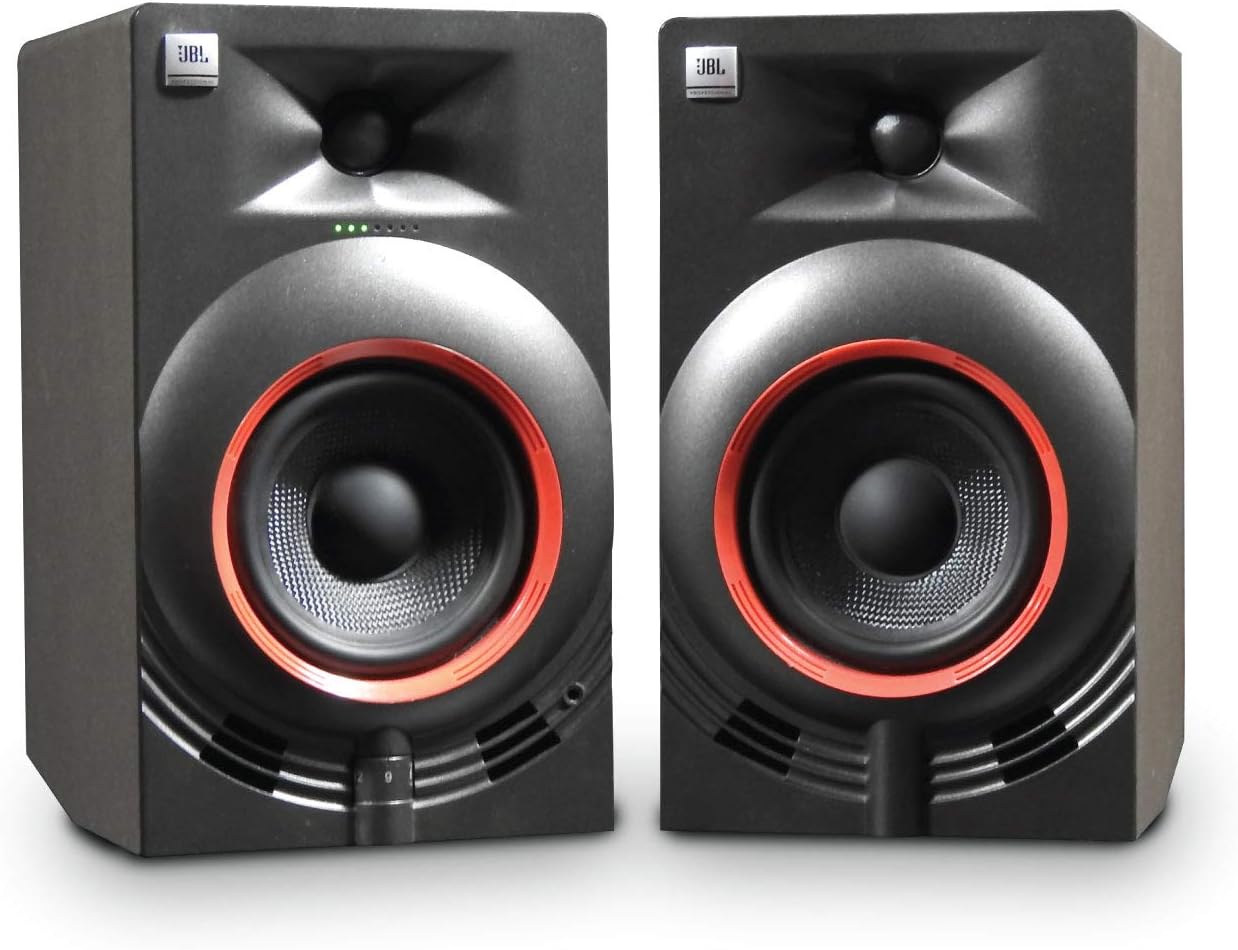
JBL Professional NANO K4-4" Full-range Powered Monitor Pair
7. Cables
 In a typical pro studio, you’re likely to find hundreds of cables…
With dozens of connectors that you’ve probably never even heard of.
And the time will come when you own more cables than you can count.
The good news is…in the beginning, all you need is 3:
- One XLR cable to connect a mic to your audio interface.
- And two more to connect the interface to your monitors.
AmazonBasics Microphone Cable - 6 Feet

8. Microphone Stands
 The same concept applies with microphone stands as with studio cables.
Eventually you’ll have many.
But for now, all you need is 1 or 2.
And while you might assume that all stands are pretty much the same…
They actually come in many shapes and sizes, each designed for specific tasks.
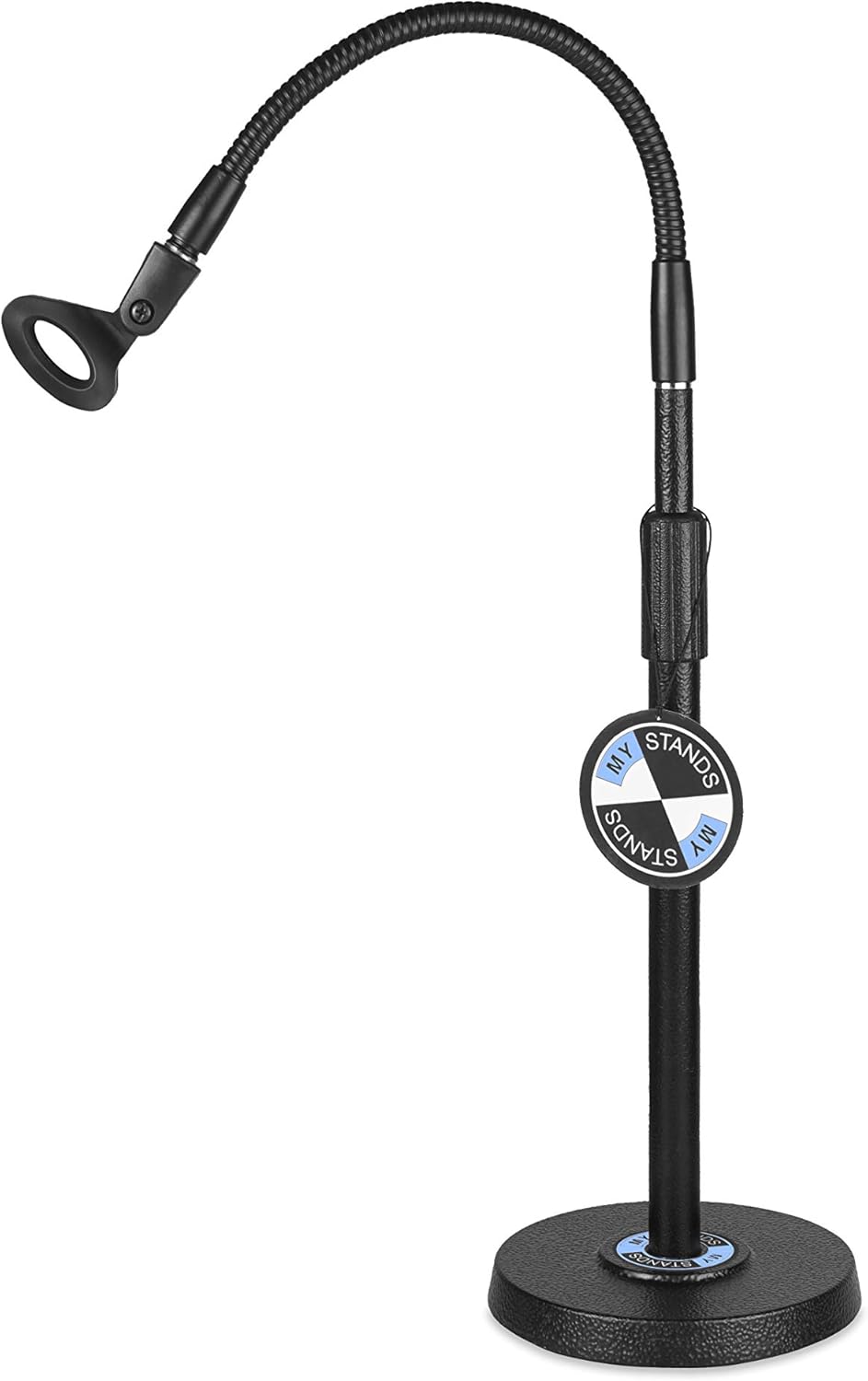
My Stands MIS-025 Floor Stand
9. Pop Filter
 Despite the fact that pop filters are in no way “essential” to a bedroom studio…
For some strange reason, all newbies seem to want one.
And most probably don’t even know what they’re for.
So let me explain…
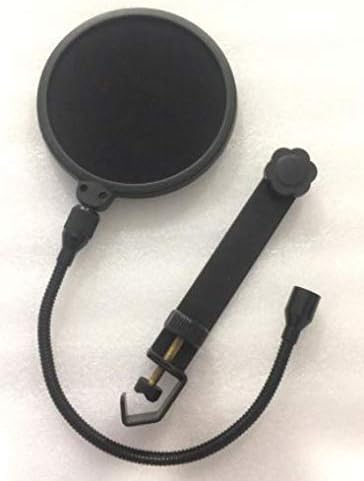
One peculiar fact about your mouth is that it expels a strong burst of air whenever you pronounce “p” or “b” sounds.
In normal conversation, you don’t even notice it.
But when singing into a microphone, that blast of air is heard as a low frequency “thump” known as popping, which is both unpleasant to the ears, and unacceptable on a recording.
Pop filters are designed to solve this problem by catching the blast of air before it hits the diaphragm of the mic.



0 Comments